CHINESE WINE REGION
Northeastern China
An accidental discovery
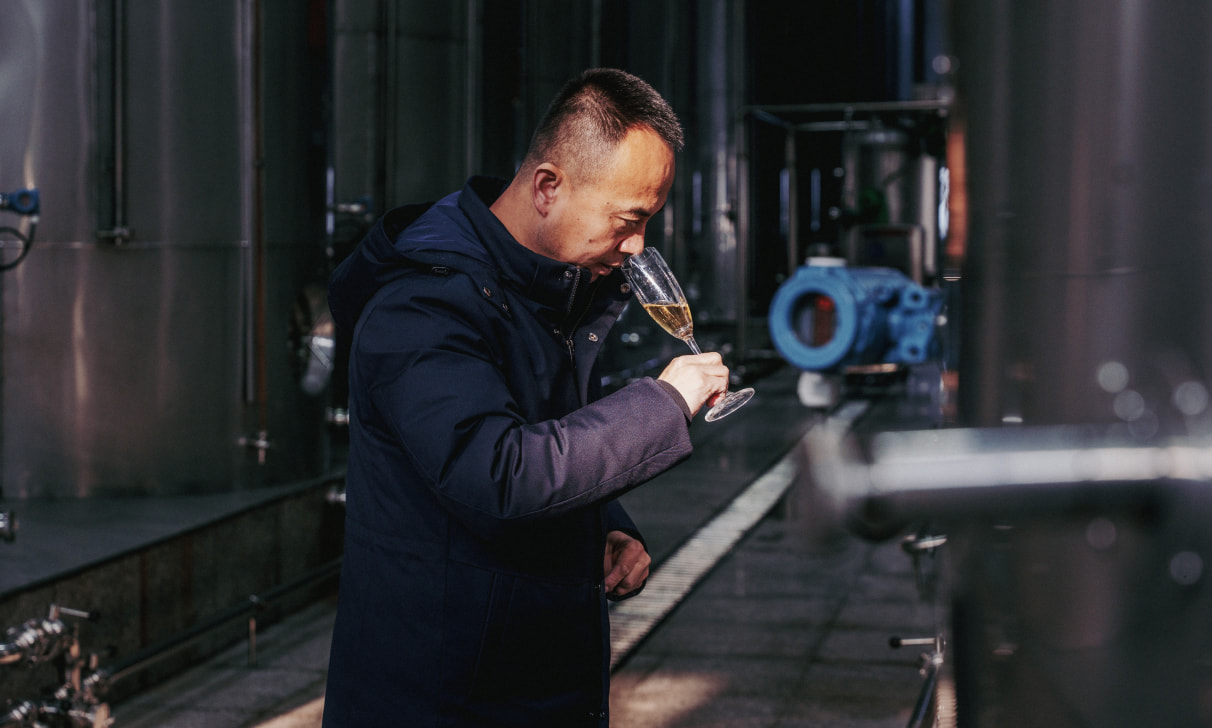
On China's geological map of wine production areas, Northeastern China often receives less attention than Shandong, Ningxia and Xinjiang. Even the special ice wine produced in this region is considered a niche product in the wine world. However, for wine enthusiasts, discovering and appreciating niche products often offers a more distinctive sense of accomplishment and enjoyment.
The birth of Ice wine
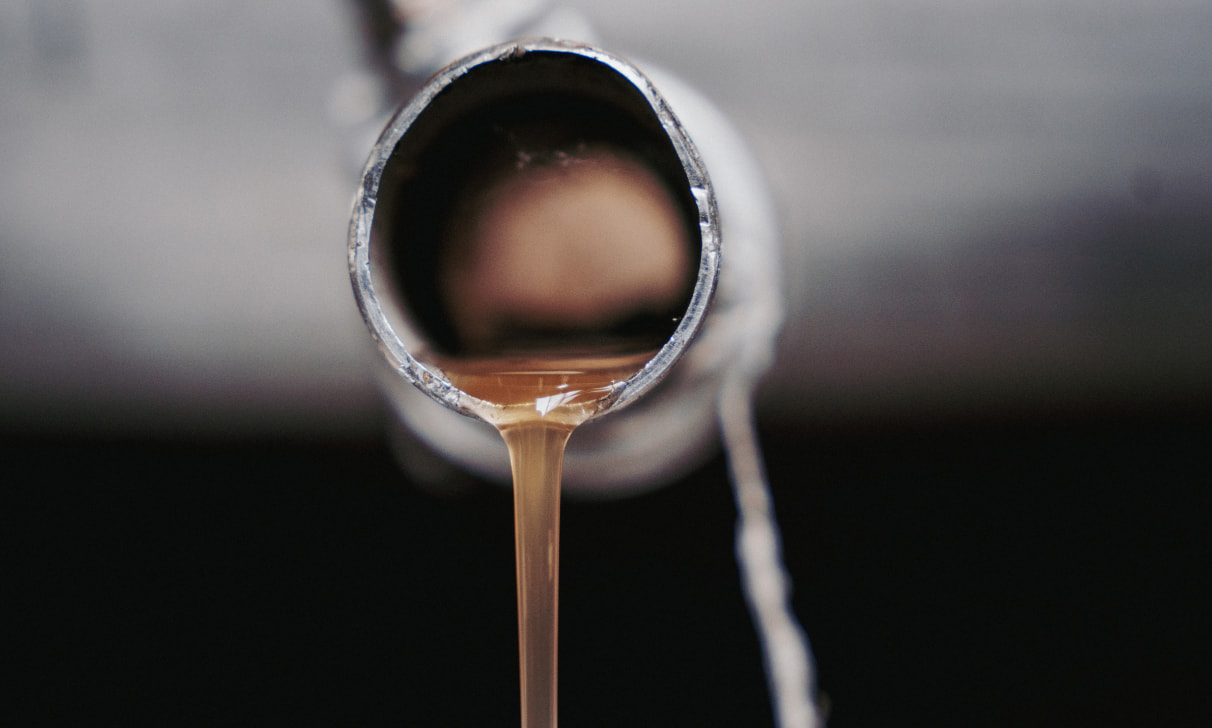
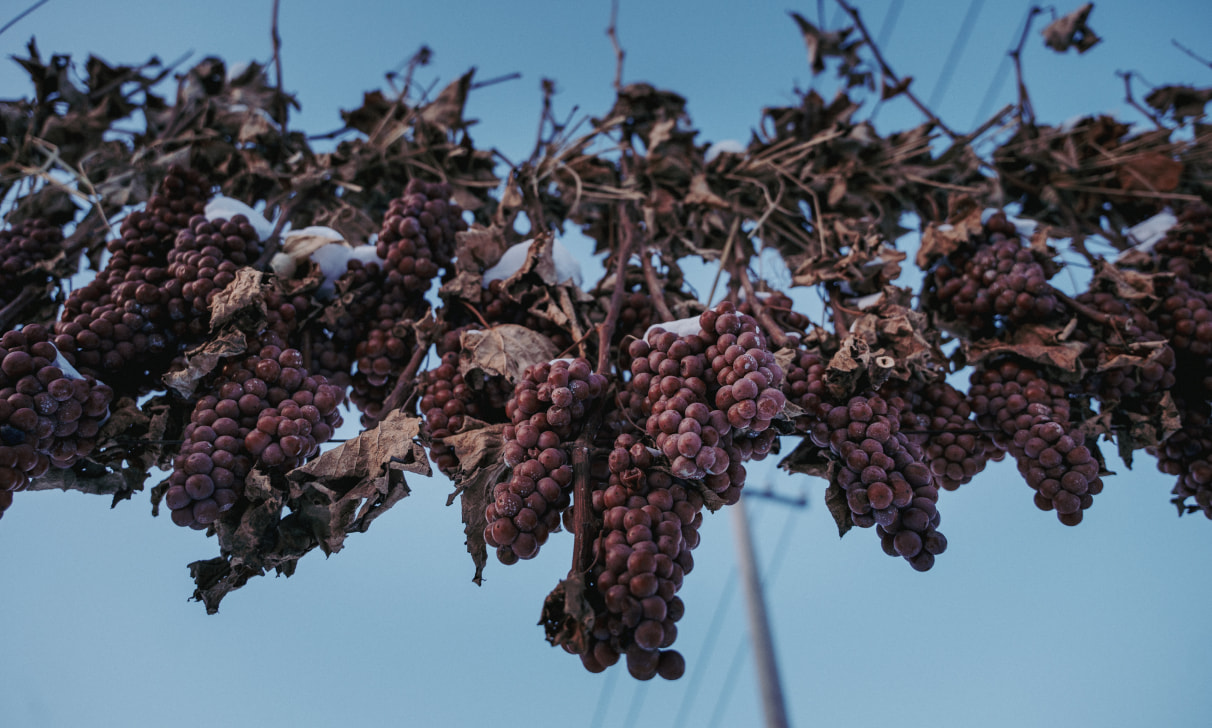
Ice wine came about by accident in Frankfurt, Germany in 1794. When the grapes were ready to be harvested, a freak snowstorm hit, freezing the grapes on the vines. To mitigate losses, the winery owner harvested the frozen grapes in the dark of night, then squeezed the grapes and fermented the smaller amount of juice into wine. To his surprise, the wine was fragrant and richly sweet, and ice wine (Eiswein in German) was born.
The Queen of Wines
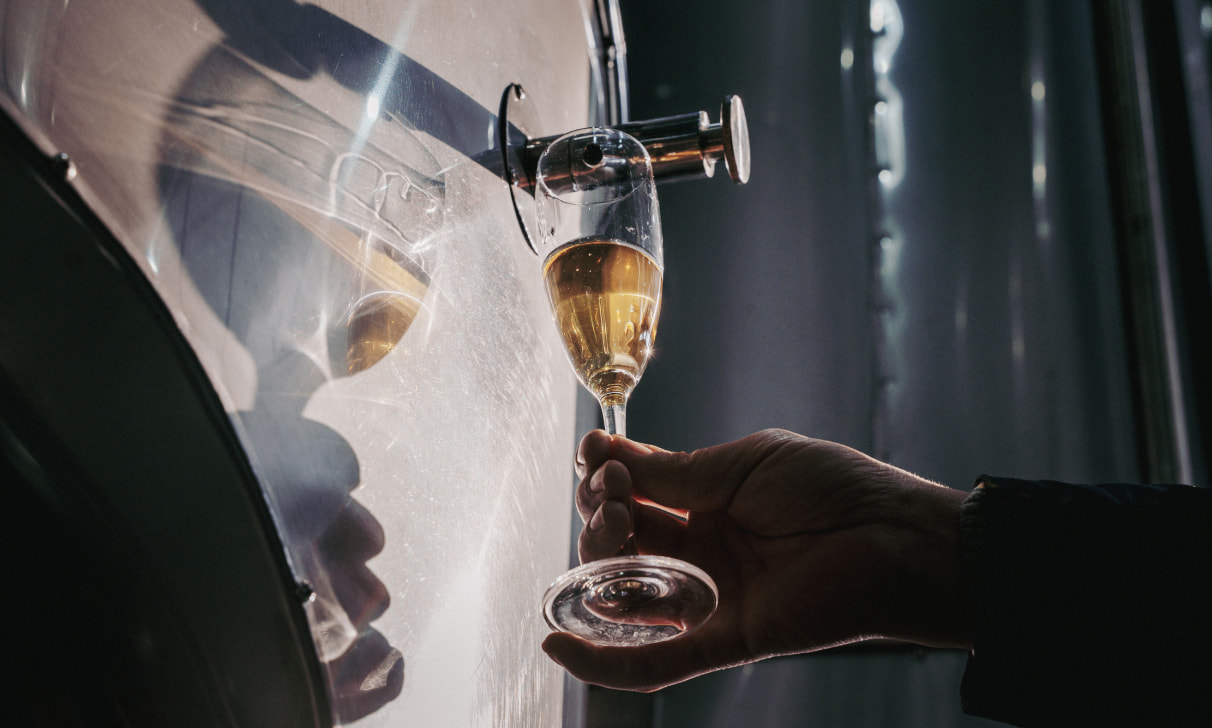
In the wine world, ice wines is the Queen of Wines, with only one bottle of ice wine produced for every 30,000 bottles of regular wine in the world. Hugh Johnson, author of The World Atlas of Wine, describes ice wine as "a luxury the same color and price as gold". Its scarcity is due to the fact that only a few regions in the world are suitable for growing frozen grapes, and making ice wine requires very strict climate conditions. If the ideal freezing temperature is not maintained, either the grapes will die to frost and reduce the yield, or the temperature will not be low enough for brewing. Only a few regions in a handful of countries like China, Canada, Germany, and Austria meet the strict requirements for producing high-quality ice wine.
The best in sweet wines
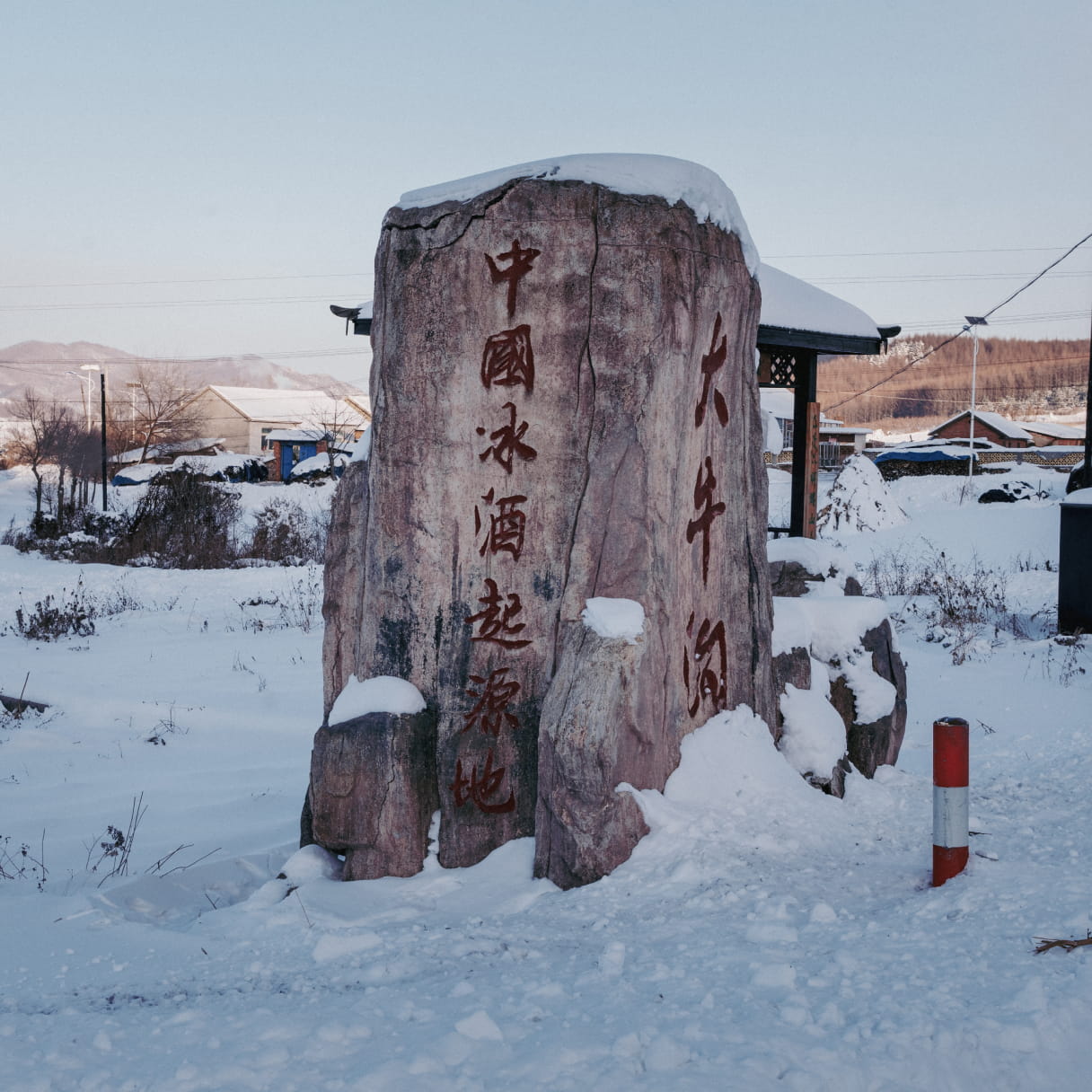
China is a relative newcomer to ice wine, and most of its production is concentrated in three areas in three northeastern provinces: Huairen in Liaoning, Dongning in Heilongjiang, and Tongliao in Jilin. Few people know that the biggest global producer of ice wine is neither Germany nor Canada, but Huairen, which is home to the world's biggest frozen grape cultivation and ice wine production base. Since December 31, 2006, Huairen Ice Wine has been a protected product of geographical indication. In recent years, when referring to China's winemaking regions, Huairen is now mentioned alongside the eastern side of Helan Mountains in Ningxia Province and Shangri-La in Yunnan Province.
The best in sweet wines
The Golden Glacial Valley
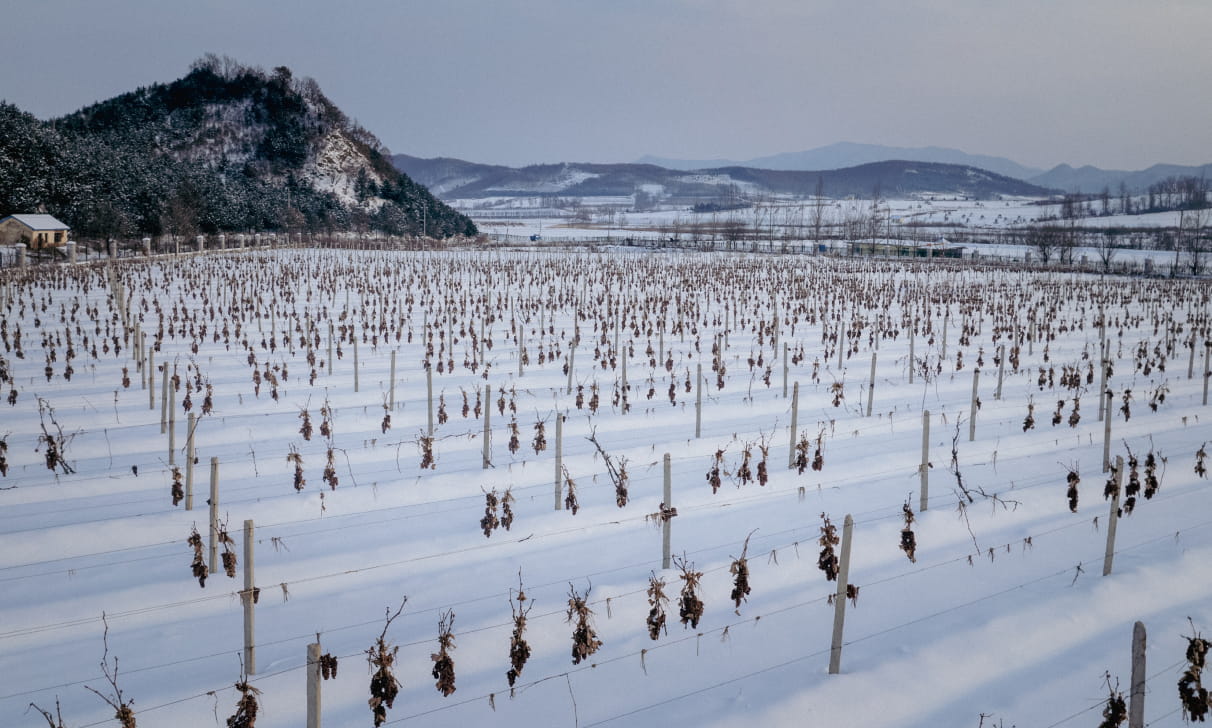
Huairen's legacy is built on the frozen grape planting area along Huailong Lake, which international experts have dubbed the "Golden Glacial Valley" for its unique natural conditions in winter – cold but not dry. Every December, there are more than 24 hours when the temperature is below -8°C, a prerequisite for harvesting frozen grapes. In contrast, most of the ice wine producing regions in Canada and Germany enjoy less advantageous natural conditions, which restricts them to only brewing ice wine every 3 to 4 years. Today, Huairen has become a hub for many premium ice wine brands, including Deren Ice Wine, Dynasty Fine Wines and Changyu Ice Wine, which has been ranked among the best ice wines in the world.
Liquid gold from ice
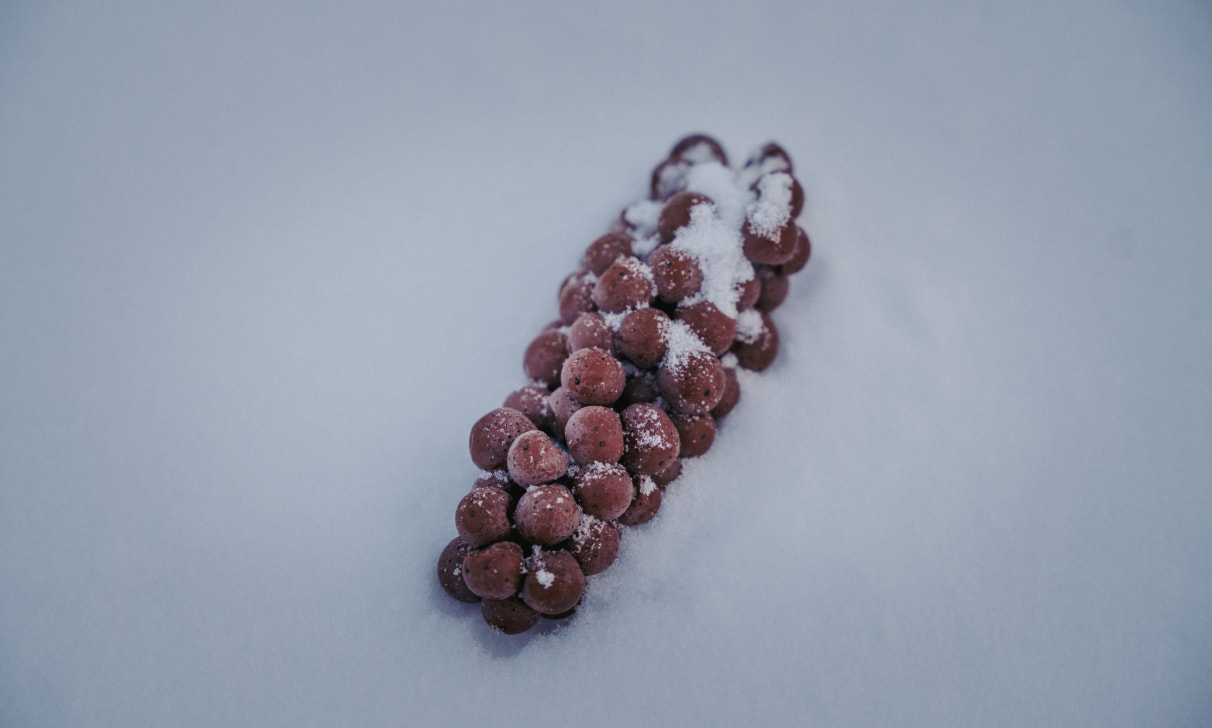
In addition to Huairen, Dongning and Tonghua have also made noteworthy accomplishments in their development as regions of China that have produced award-winning ice wines. In Tonghua, the new, bred-in-China Beibinghong grape variety is the only variety in the world that can be used to directly make red ice wines, standing proudly on the vine even in extremely cold temperatures of lower than -10°C. This semi-sweet red ice wine is fermented from grape juice pressed with frozen fruit. Its harvest season typically falls between the end of October and early November, later than the majority of wine-making regions. Because the sugar in the grape juice is only partially fermented, the resulting alcohol by volume is approximately 10%, retaining a substantial amount of sugar.
Exploring the delights of Ice wine pairings
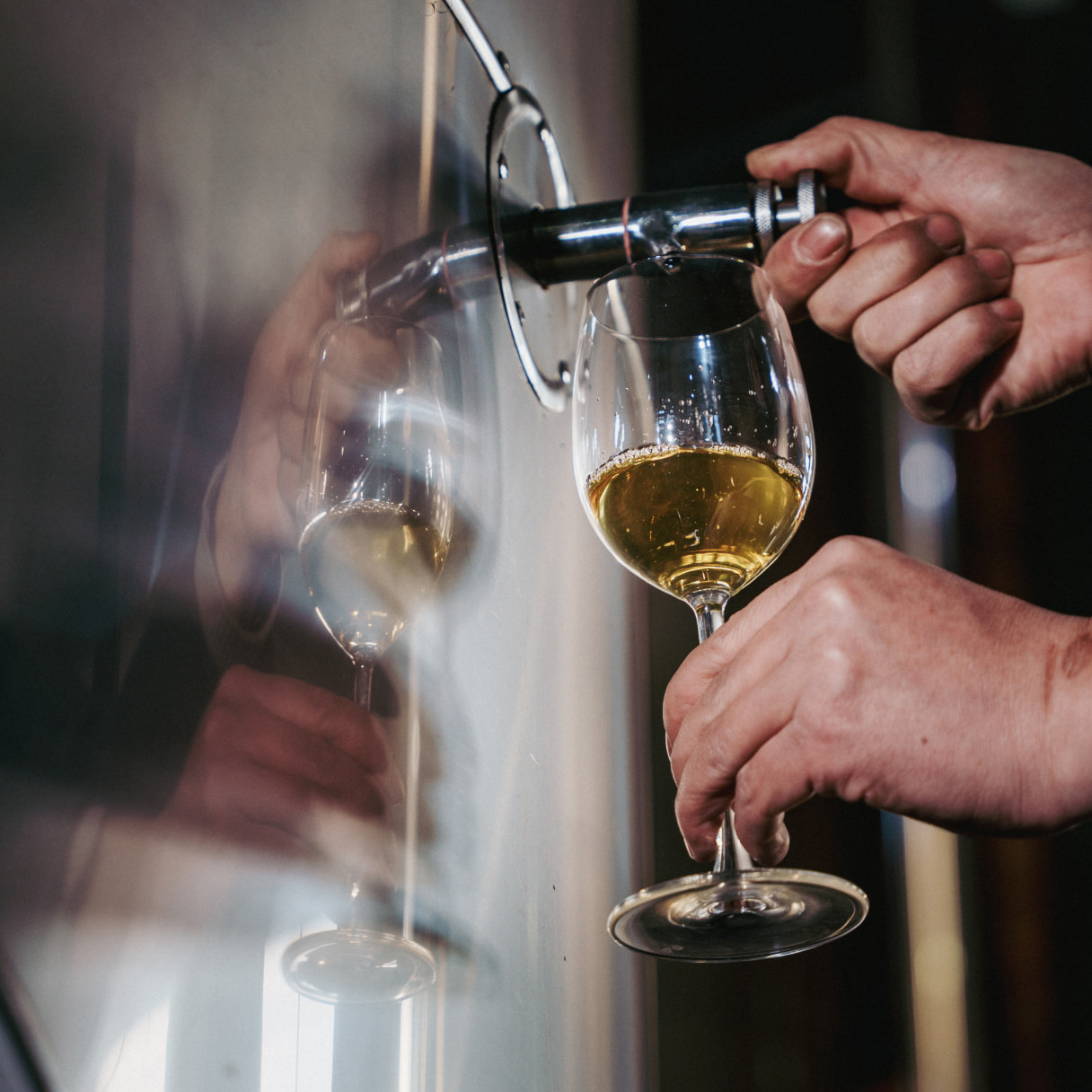
Ice wine is very sweet and full-bodied, with a perfect balance of sweetness and acidity. Its sophisticated and richly fruity taste, well-balanced acidity, inviting depth and complexity make it a good match for desserts and other foods. Vidal ice wine has an appealing aroma of honey and citrus fruits, and is popularly paired with chocolate desserts and berry mousse cakes. Ice wine is also a bold match for richly flavored Chinese cuisine, where its fruity sweetness softens the spiciness of the dishes. Paired with Sichuan spices, it can create wonderful sparks of contrasting flavors.
Exploring the delights of Ice wine pairings