CHINESE WINE REGION
North China
The Heartland of Wine
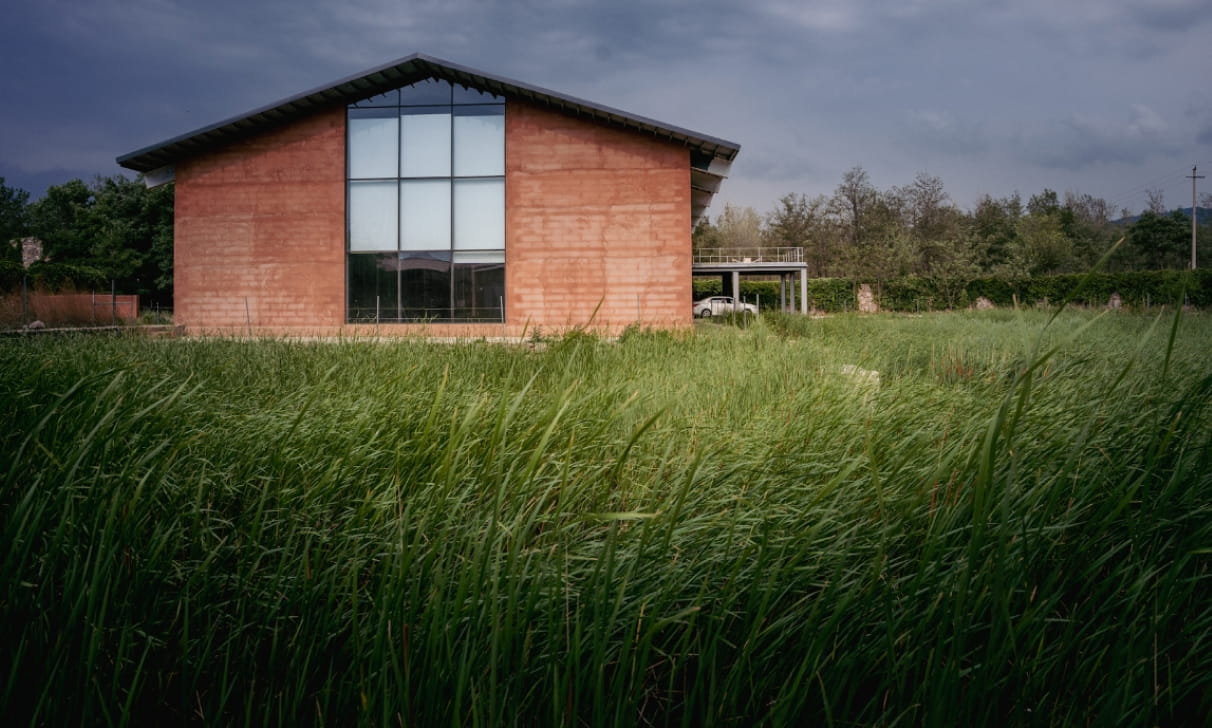
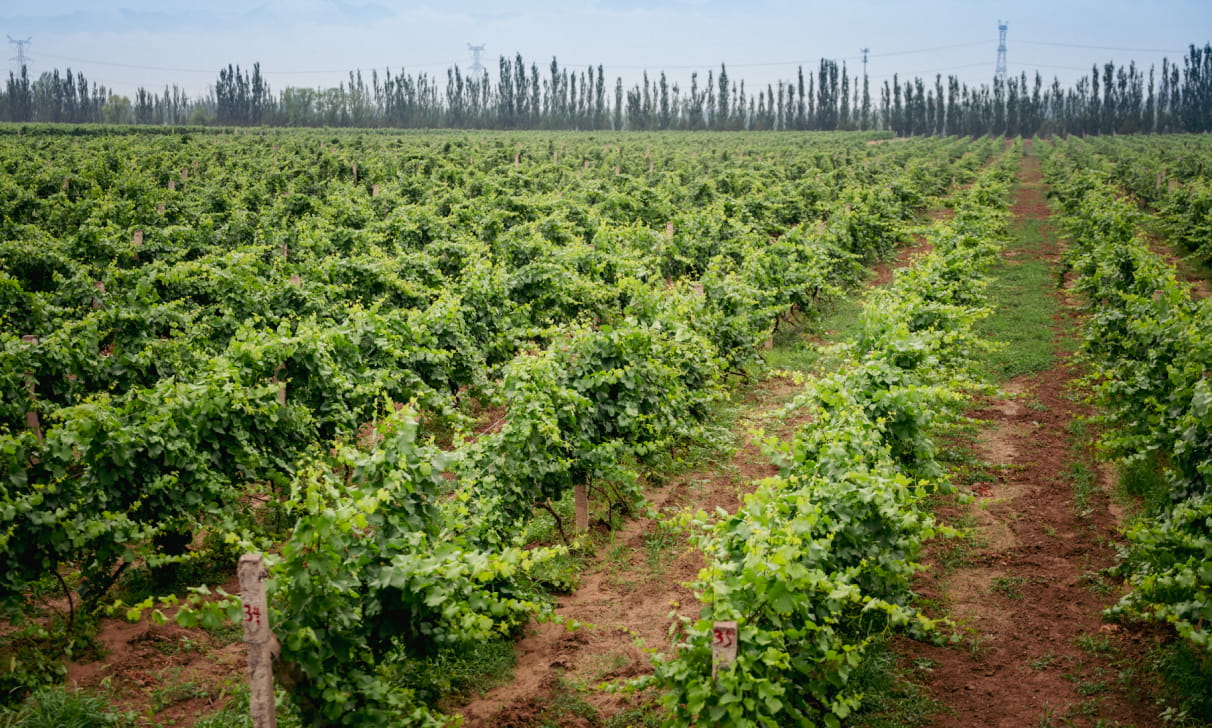
Varied in terrain and terroir, the vast North China wine-growing region spans Beijing, Hebei, Inner Mongolia and beyond. Hebei's Huailai sits in a basin enclosed by the Taihang and Yanshan mountains, in a broad valley formed by the convergence of the Sanggan and Yang rivers. Just a short drive from Beijing, Huailai greets visitors with giant wine bottle sculptures and roadside signs that proclaim it the "Heartland of Wine", a constant reminder of how deeply this land is tied to winemaking.
1,200 Years of History
One of China's oldest grape-growing regions, Huailai's history dates back over 1,200 years to the Tang Dynasty. During the Ming and Qing dynasties, its white milk and longyan grapes were tribute for the imperial court. In Beijing, Fangshan lies on the 39th parallel, the golden latitude for wine grapes. With 2,600 hours of annual sunshine, a 185-day frost-free period, and mineral-rich soil, it is Beijing's largest emerging wine region. Shaped by the microclimate around its reservoir, Miyun is another of the region's key wine-producing areas.
The Top Choice for National Wine Initiatives
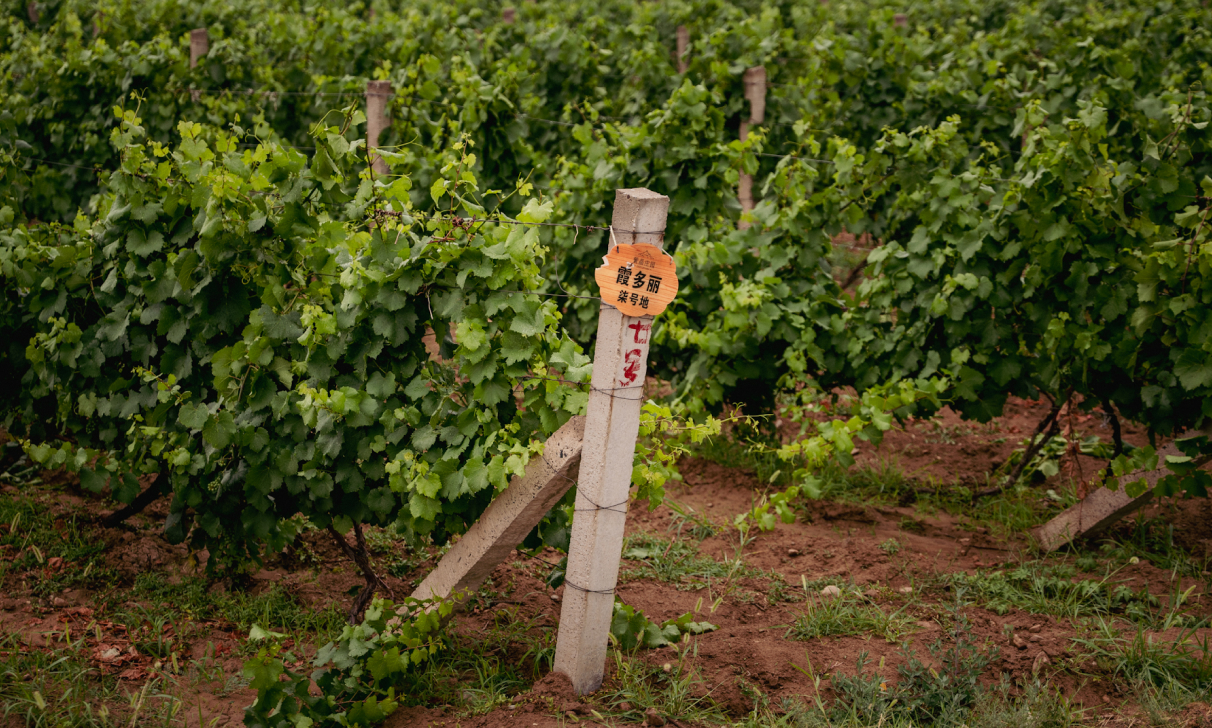
In the modern era, Huailai has been the site of choice for two national wine initiatives. In 1978, a team of experts from five national ministries evaluated the sunshine, soil, and water conditions along the wine's golden latitude. They selected Huailai as the site for New China's first experimental vineyard and first wine research base, producing China's first dry white wine, first traditionally made sparkling wine, and first brandy made to international standards.
Born in France
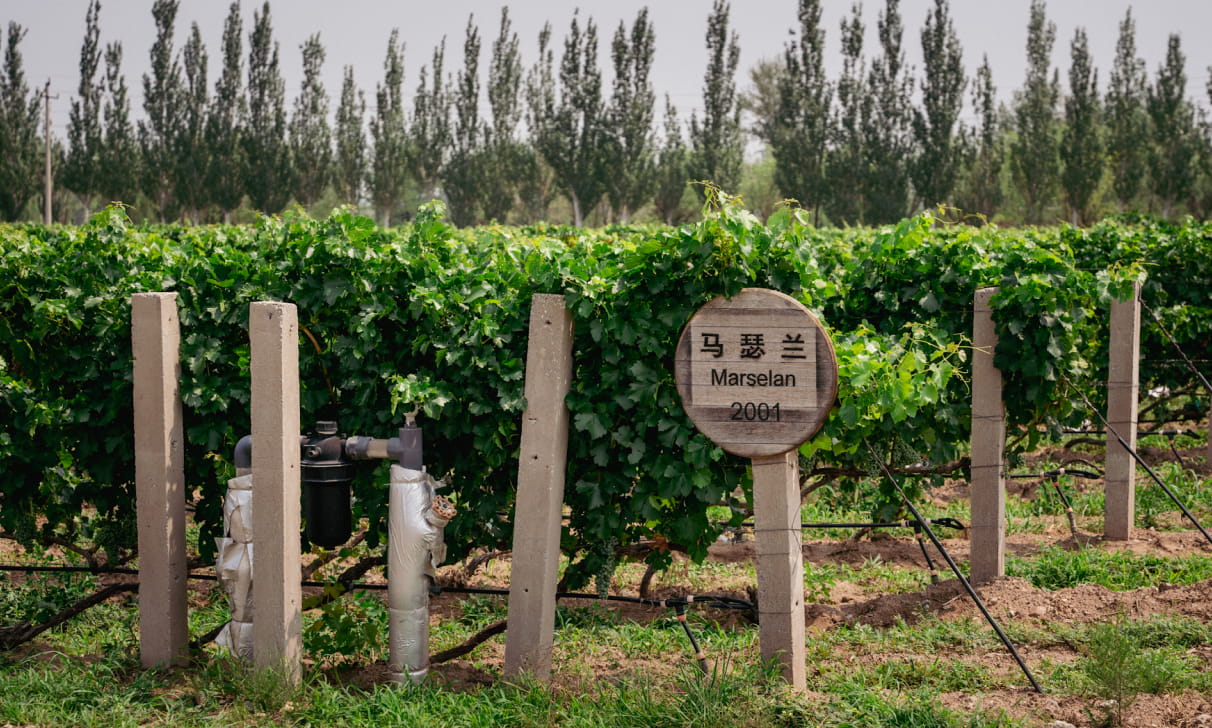
In 2001, the first Marselan grapevine was introduced to China, taking root in Huailai's fertile soil. A French-origin hybrid of Cabernet Sauvignon and Grenache, the variety adapted spectacularly, quickly spreading across China's premier dry red wine regions in an extraordinary rise to fame. Today, Marselan is indispensable in the vineyards of China's boutique wineries, earning countless praise for Hebei, its true second home.
Born in France
The Birthplace of China's First Dry Red
Located by the Bohai Sea in Hebei, Changli has a gentle terrain, a warm and humid climate, distinct seasons, and a long frost-free period. Its clear, dry autumns and wide day-night temperature swings make it ideal for growing wine grapes. In 1983, Changli Winery successfully used a then-new thermovinification technique to create China's first dry red wine, "Beidaihe Cabernet Sauvignon Dry Red."


China's Capital of Dry Red Wine
Building upon this success, Changli's winemaking industry continued to grow. In 2000, it was named the "Hometown of Chinese Dry Red Wine" and "China's Capital of Dry Red Wine." In 2019, the China Alcoholic Drinks Association certified the Jieshi Mountain area as China's third and Hebei's first certified wine sub-region. Since then, the area (including Changli County, Lulong and Funing) has been promoted under the unified name of the Hebei Jieshi Mountain Wine Region.
A Rising Star in the Desert
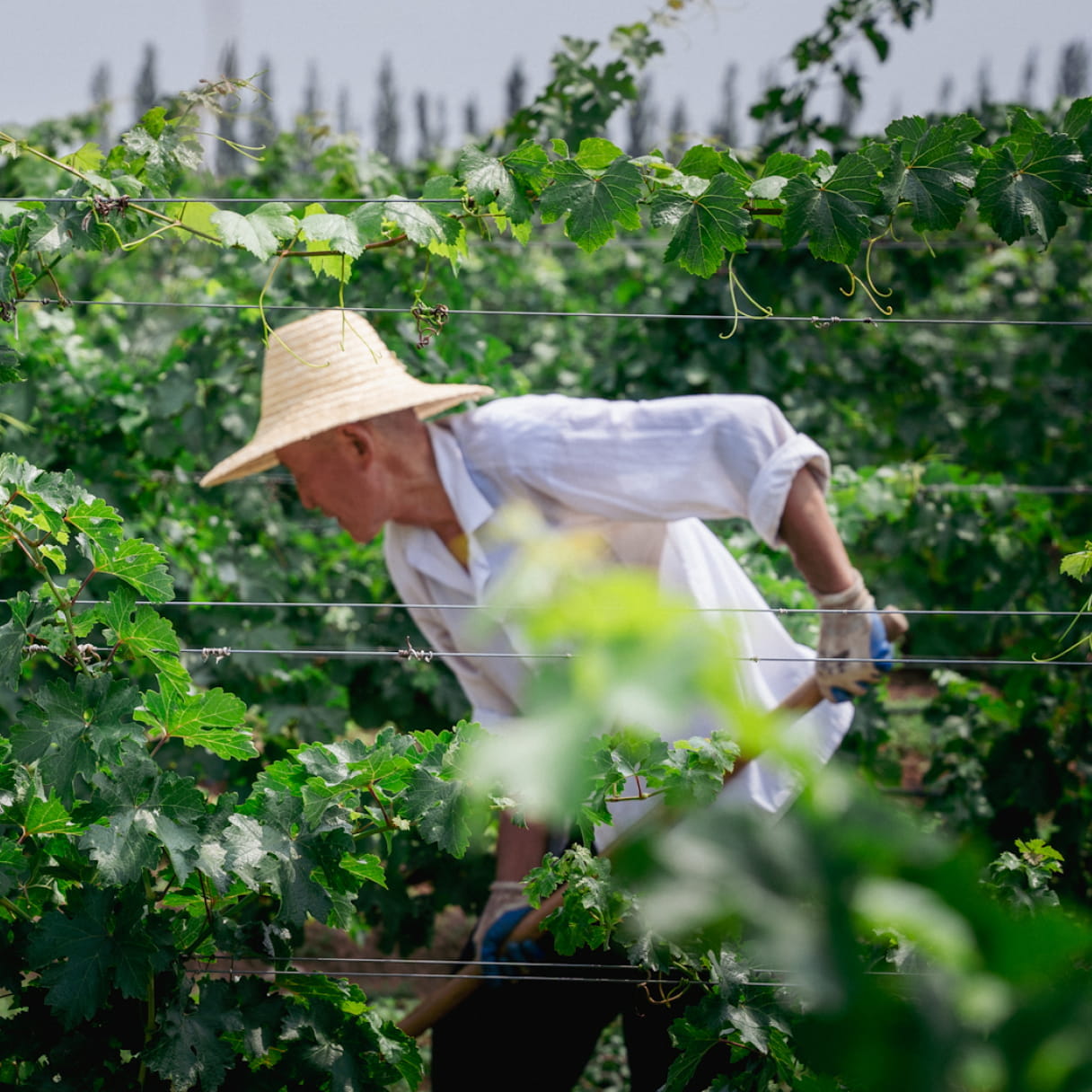
Inner Mongolia's grape-growing and winemaking heritage dates back to the Liao and Jin dynasties, flourishing even more under the Mongol and Yuan eras. However, its modern industrialization and brand-building started relatively late, and was widely unknown until recently. But now, Inner Mongolia's wine industry has been gaining attention due to its unique terroir.
Located on the Tumochuan Plain by the Yellow River, Hohhot's ample sunshine and wide day-night temperature swings help grapes accumulate sugar. Wuhai sits upstream where the desert meets the river, with sandy soil and a dry climate that naturally protects the vines. This terroir produces grapes with a high sugar and balanced acidity, granting them a Protected Geographical Indication (PGI) status. Thanks to this grassland terroir, Inner Mongolia is emerging as a new name to watch on China's wine map.
A Rising Star in the Desert
The Capital's Backyard
Huailai, Changli, Fangshan, Miyun, and Yanqing all lie within a hundred kilometers of Beijing. As the capital's "half-hour transit circle," this area blend of winemaking and tourism has made it Beijing's own backyard getaway. Farther away, Inner Mongolia's Wuhai and Hohhot are also drawing a growing number of wine lovers with their striking grassland and desert landscapes.