CHINESE WINE REGION
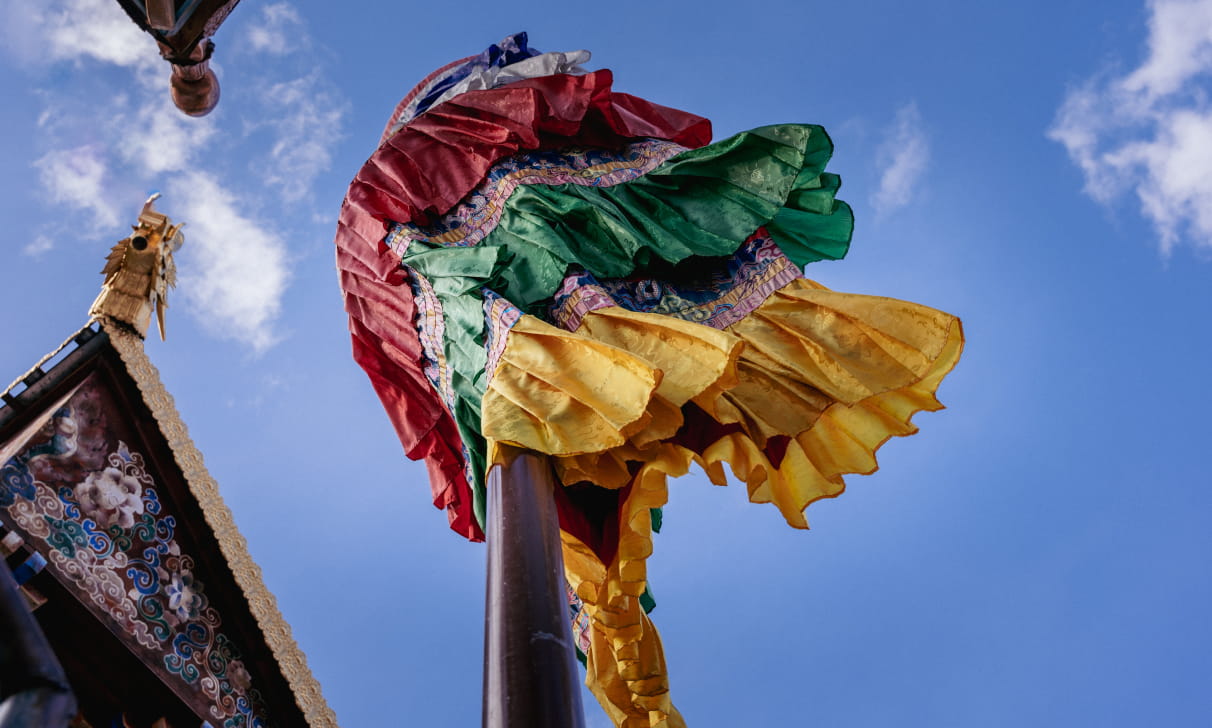
Highlands of Southwest China
Premium wines in a hidden paradise
In 1933, Shangri-La was one of the planet's hidden paradises. The book Lost Horizon changed all that, bringing the world to China in search of this mysterious, beautiful, desirable and elusive utopia.
Ao Yun 2018
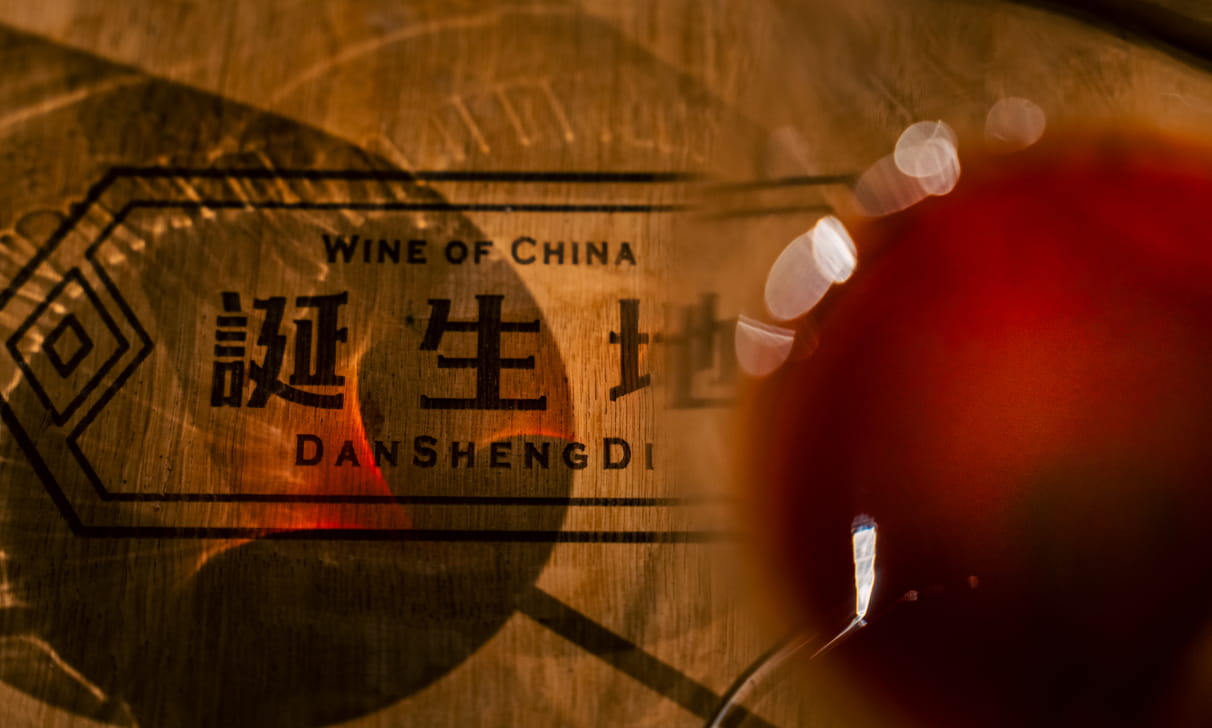
In 2022, Shangri-La's Ao Yun 2018 became the first and only Chinese wine admitted to La Place de Bordeaux, the world-renowned premium wine trading system. After almost a hundred years, this bottle of wine drew the world's attention to Shangri-La all over again.
Milestone of China's premium wines
Built in the 17th century, La Place de Bordeaux is the world's most representative wine stock and futures trading system, closely connecting wineries, intermediaries, and traditional wine merchants, and serving as a price barometer for the global wine market. Through this system, countless sought-after wines from the New World have gained the attention of premium wine collectors and investors. Château Lafite Rothschild, Château Margaux, and other grand cru classé wineries release their wines every year through this system, to be purchased by elite buyers. Now, the addition of Shangri-La's Ao Yun has undoubtedly sent a signal to the world that premium wines representing China's terroir have arrived.
Snowcapped highlands with a unique terroir
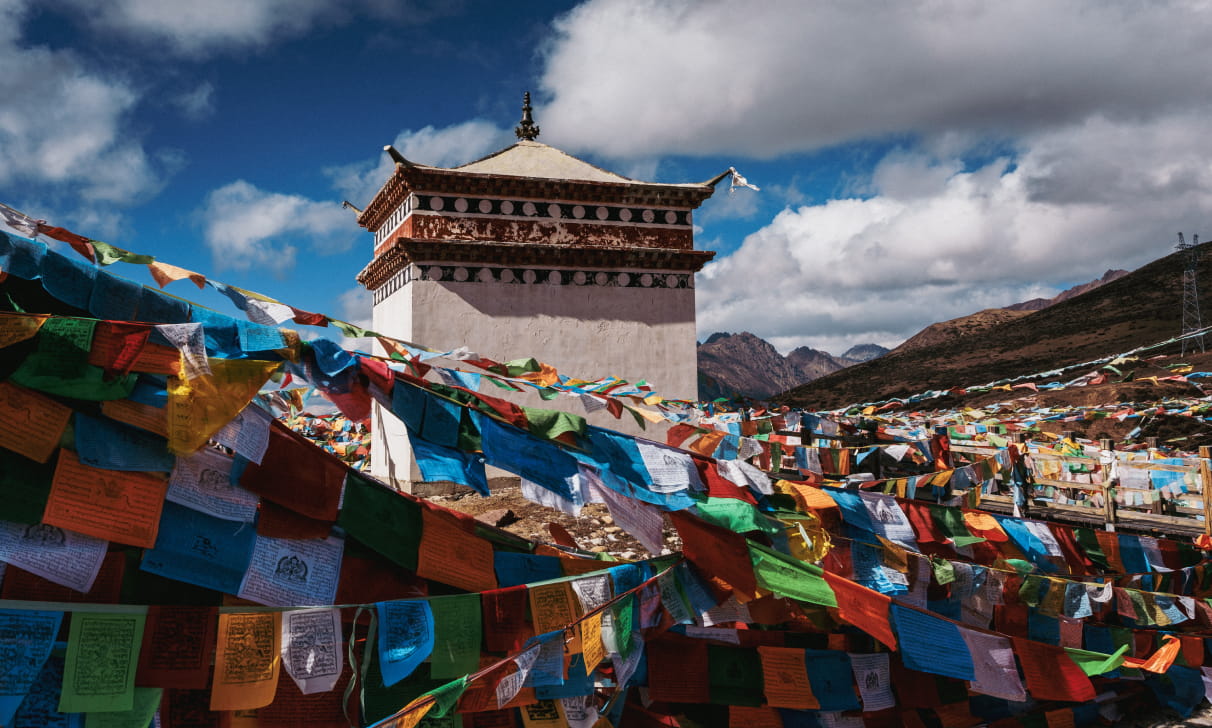
In fact, Shangri-La has been growing wine grapes for 150 years. They were first imported by French Catholic missionaries who built a church in Cizhong, planted grapes, and taught local Tibetans how to make wine. Today, the vineyards around the church are still planted with grapes introduced from France a century ago.
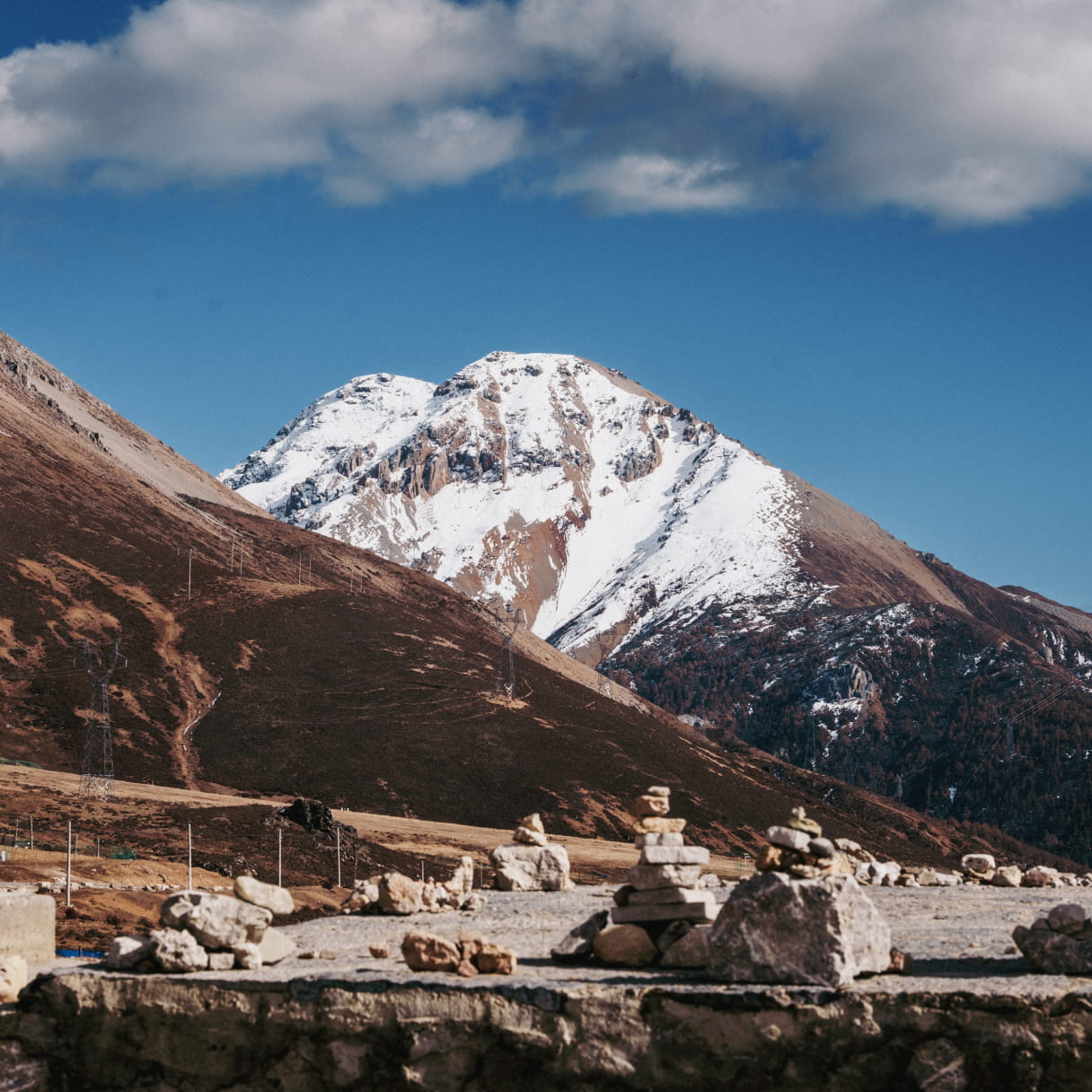
Snowcapped highlands with a unique terroir
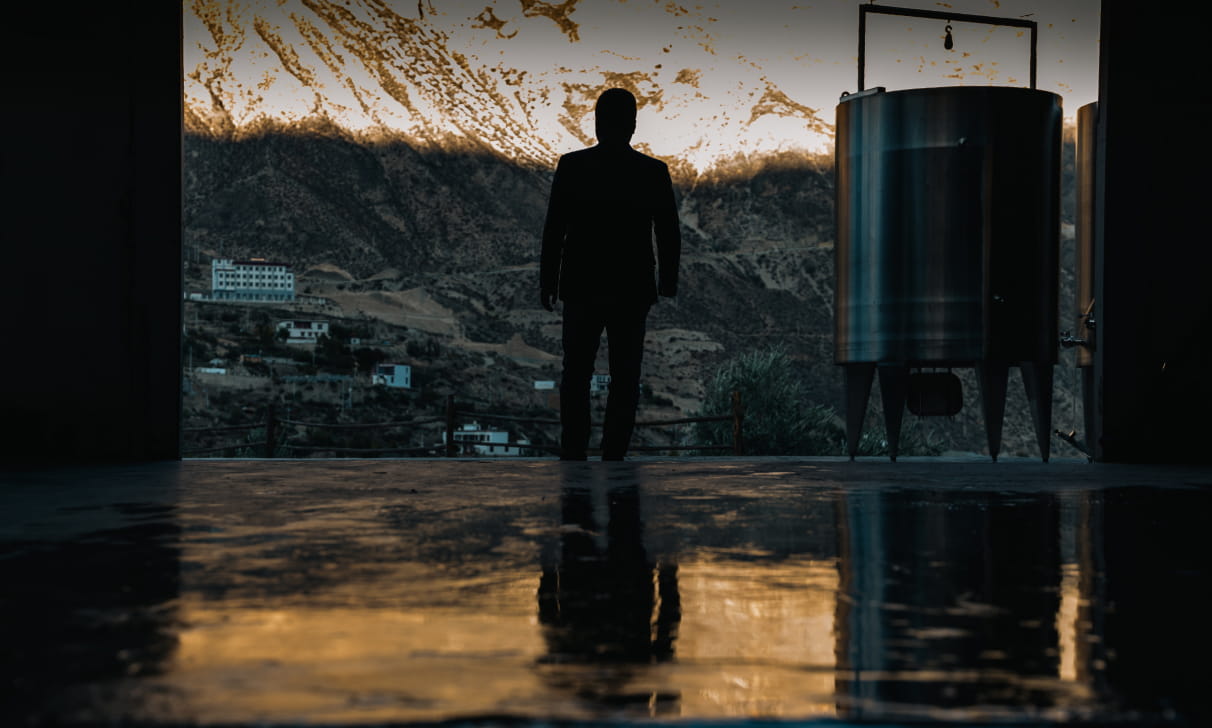
Vineyards and wineries on the Shangri-La Plateau
In this protected area formed around the convergence of three rivers, the mountains stand tall, surrounding deep valleys and rushing rivers. The high altitude creates a unique terrain and microclimate that imbues the wine grapes with a rich and balanced taste that reflects the terroir of the Shangri-La Plateau. The chilly air from the extremely cold snow line of the Meili Snow Mountain lowers the temperature of the vineyards at night, creating a sharp divide between daytime and nighttime temperatures that preserves the grapes' natural acidity and ensures a more pure aroma. The vineyards in this region are distributed among the mountains in villages, divided into small areas with complex terrain. Few in number, the wineries primarily consist of independent winemakers and family-based wineries, targeting small premium harvests grown for quality rather than scale and quantity.
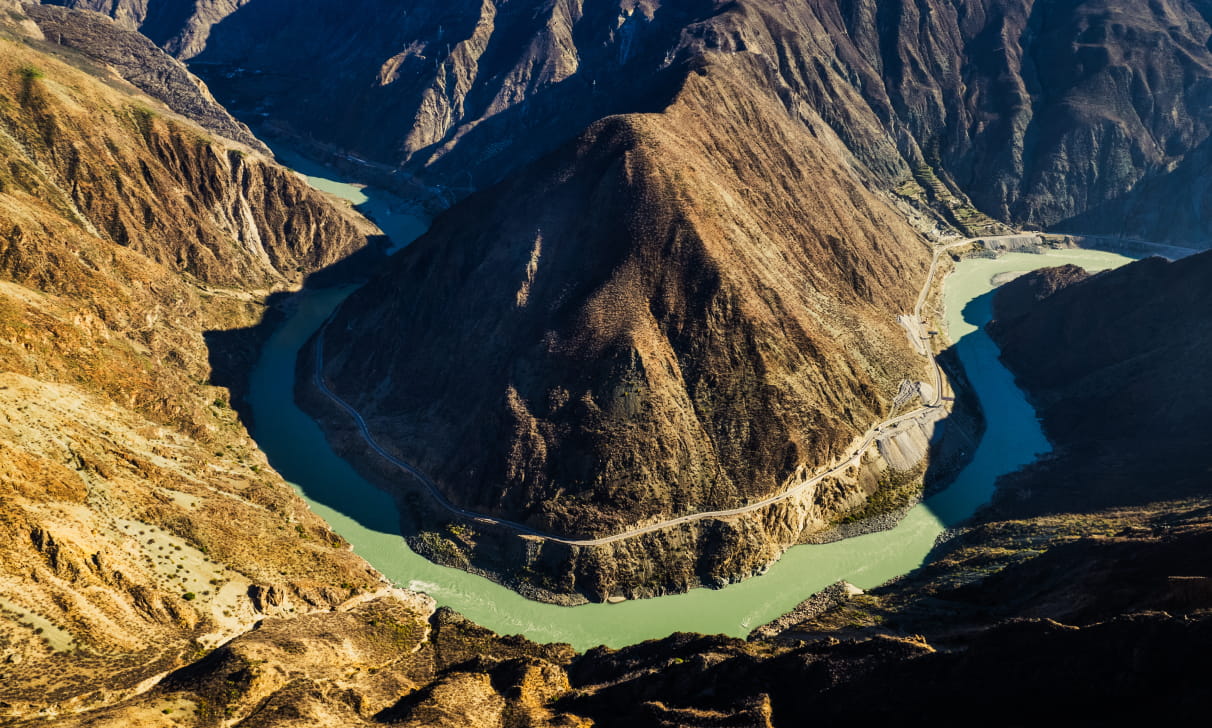
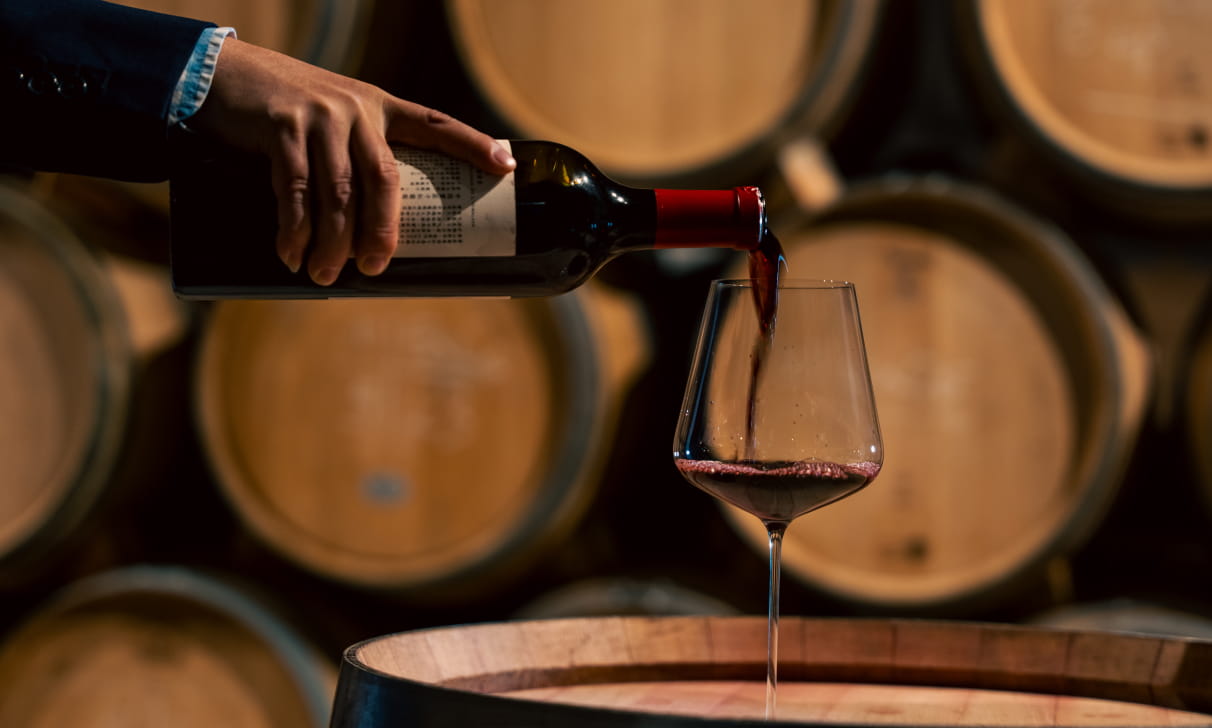
Versatile and high-rise vineyards
In Sichuan Province, Ganzi is another hidden, high-altitude paradise surrounded by mountains. From Shangri-La all the way north, the green mountains turn rocky. Amid the vast mountains and valleys, numerous wine plantations are scattered like stars in the sky, growing tenaciously in the depths of the barren and magnificent mountains.
The natural conditions of Ganzi Prefecture
Ganzi Prefecture is Sichuan's winemaking region with the most terrain-related characteristics, including a geographic location that has created a typical arid river valley climate. Moreover, the vineyards are located across a wide range of altitudes, with relative height differences of up to 3,600 meters, creating a vertical distribute climate zone. Early, medium and late-maturing varieties can all be grown locally at different altitudes to produce different fine wines.
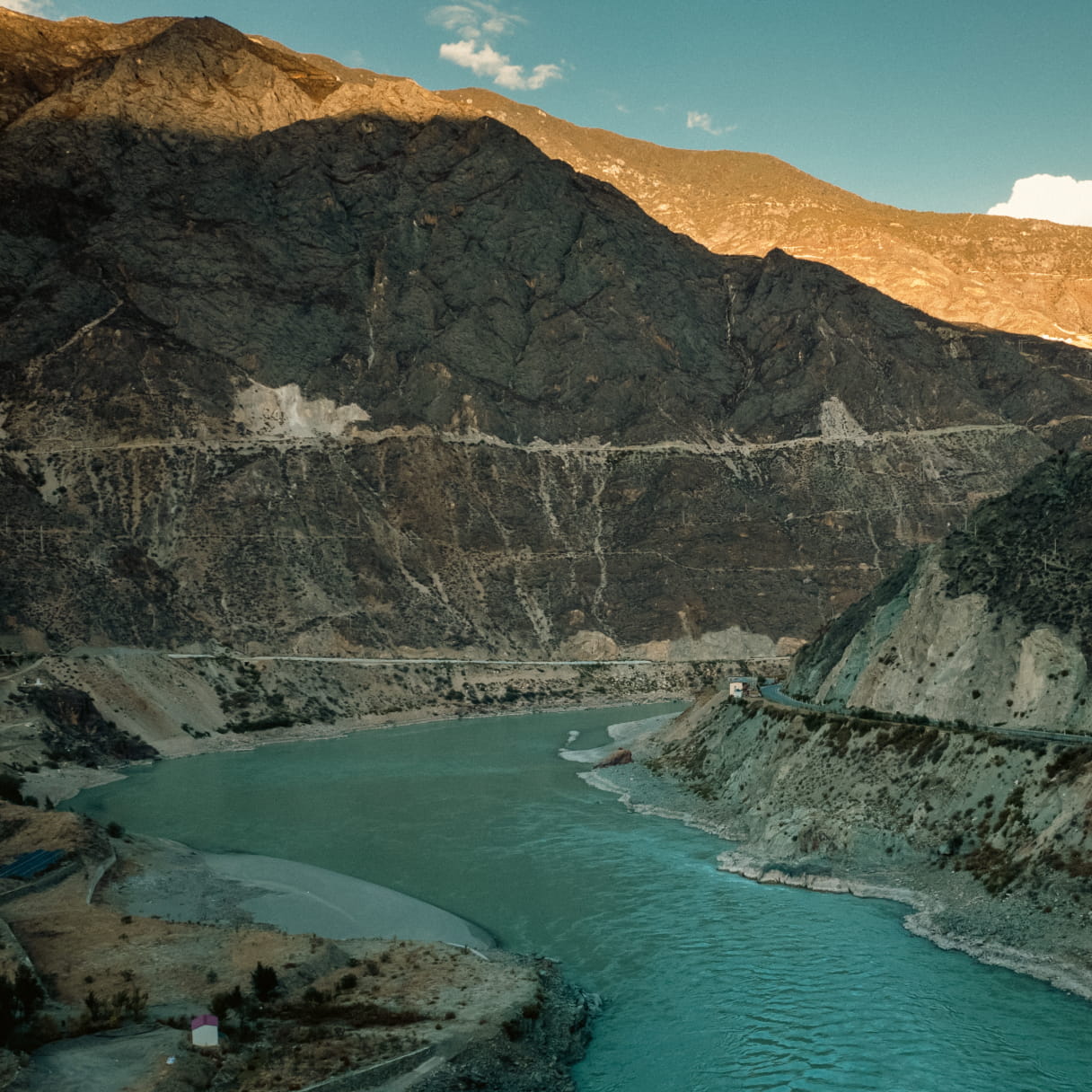
The natural conditions of Ganzi Prefecture
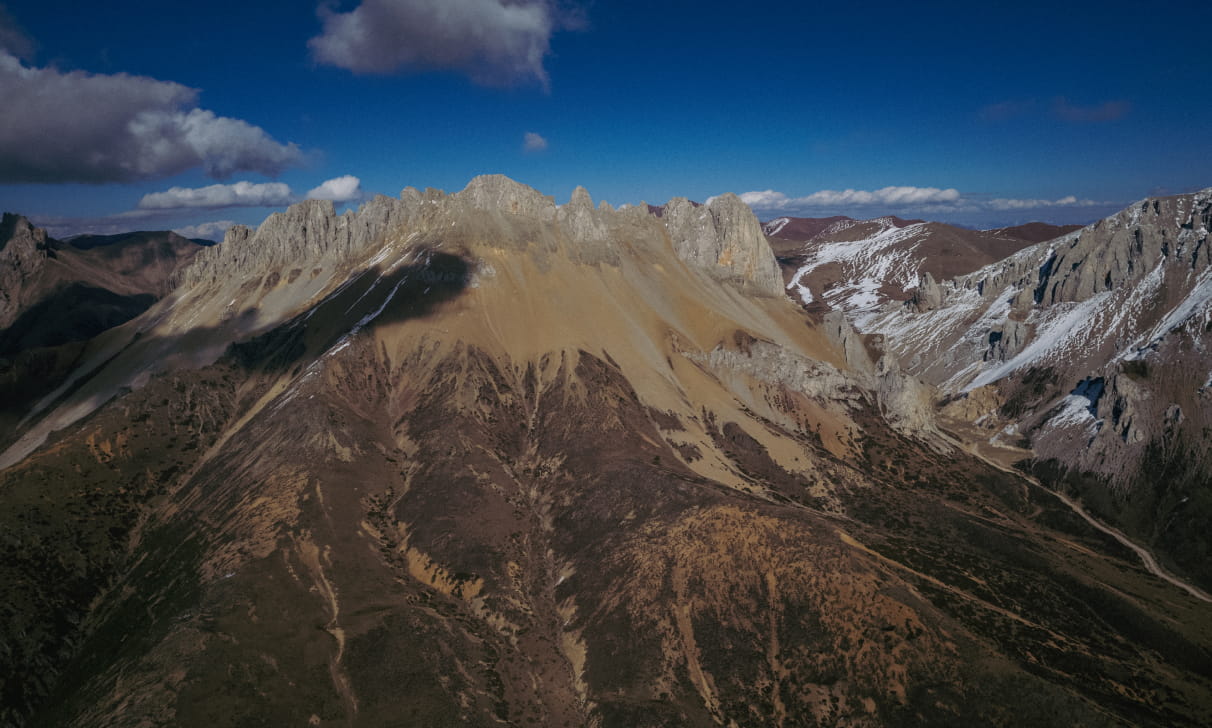
Ethnic flavor to Ganzi's wine culture
Besides altitude, the wine grapes in Ganzi are also fragmented in terroir, divided in small plots among valleys, mountain slopes and other places. All the gardening and harvesting is done by hand. All of these different factors have resulted in a range of wine imbued with a variety of complex and diverse styles. In addition, the unique Tibetan, Qiang and Yi cultures in the area have added an additional deep ethnic flavor to Ganzi's wine culture.