CHINESE WINE REGION
Shaanxi, Gansu & Shanxi
Shaanxi, Gansu & Shanxi in a Bottle
When you think of Shaanxi, Gansu, and Shanxi, do you imagine the vast Loess Plateau, the weight of history, and the profound depth of China's ancient heritage? Today, let's explore a different side of the region, measured in the aromas, vintages, and elegance of its terroir.
The Dawn of Chinese Grape Winemaking
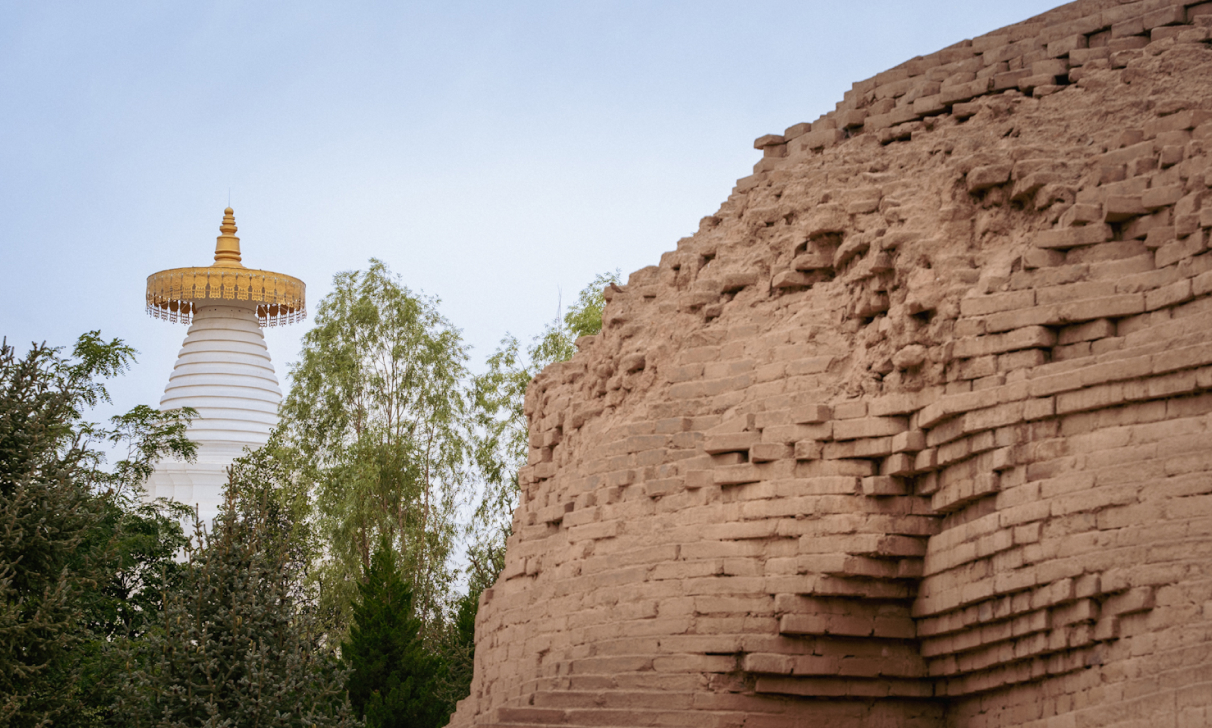
Two thousand years ago, imperial envoy Zhang Qian brought grape seeds and winemaking techniques from the Western Regions. His route through Gansu's Hexi Corridor into Shaanxi and then Shanxi marks the birthplace of Chinese grape wine. Liangzhou in Gansu (now Wuwei), Guanzhong in Shaanxi, and Qingxu in Shanxi were among China's first regions to cultivate wine grapes, and their legacy has spread ever since.
A Thousand Years of Fragrance
The Shaanxi-Gansu-Shanxi region's long winemaking history comes not only from being the gateway for grapes, but also from its exceptional natural terroir.
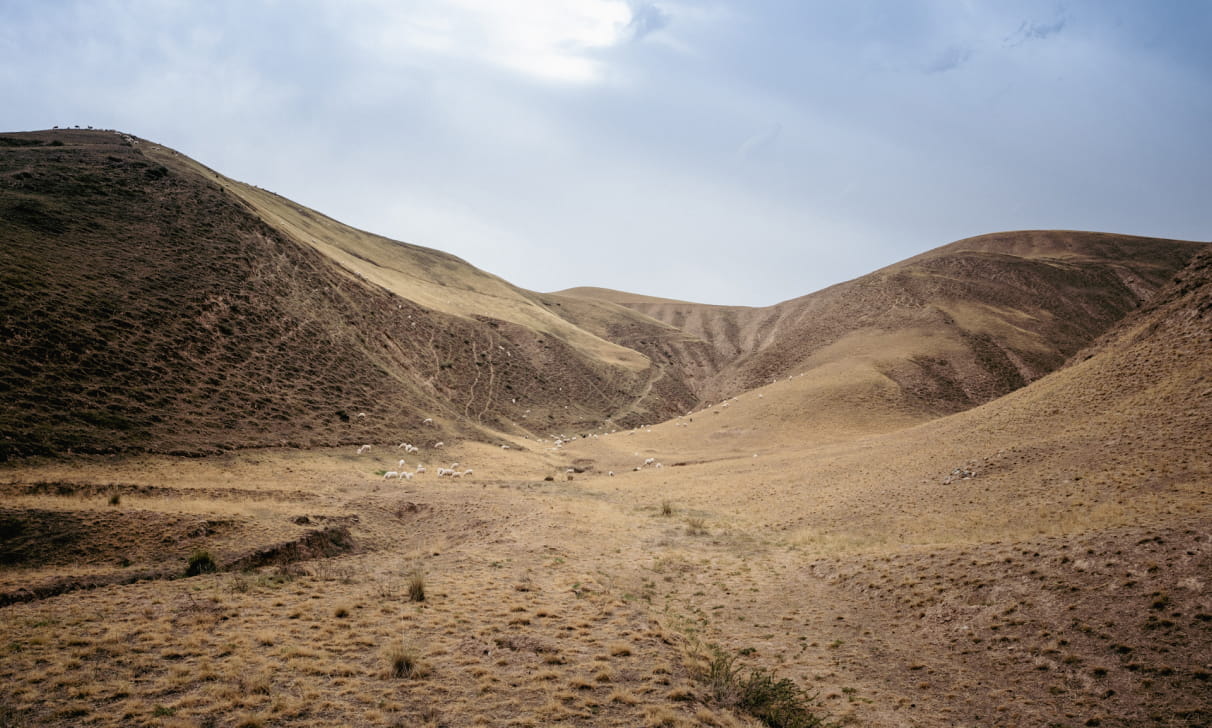
Gansu: Sheltered by the Qilian Mountains, the Hexi Corridor lies in the world's "golden latitude" for growing grapes. Its narrow terrain produces a diverse range of wines. The southeast's moderate climate creates refined Pinot Noir. To the northwest, the glacial meltwater offers abundant irrigation. And the Gobi's mineral-rich, sandy soil provides an exceptional growing base.
Shaanxi: The northern and southern slopes of the Qinling Mountains differ in terroir. To the north, the mild and sunny Guanzhong Plain is nourished by the Wei River. To the south, regions like Danfeng draw on the Danjiang River system, with a mild climate that nurtures high-quality grapes.
Shanxi: Here, vineyards are mainly found on the Jinzhong Basin and the Loess Plateau. In Taigu, the Jinzhong Basin's gentle terrain, ample sunlight, mineral-rich loam and distinct seasons make it ideal for flavor compounds. Sitting almost 1,000 meters above sea level on the Loess Plateau, Xiangning County in Linfen has wide temperature swings, long sunlight and deep sandy soil, creating grapes with deep color, firm tannins, and a strong aging potential.
One of China's Premier Wine Regions
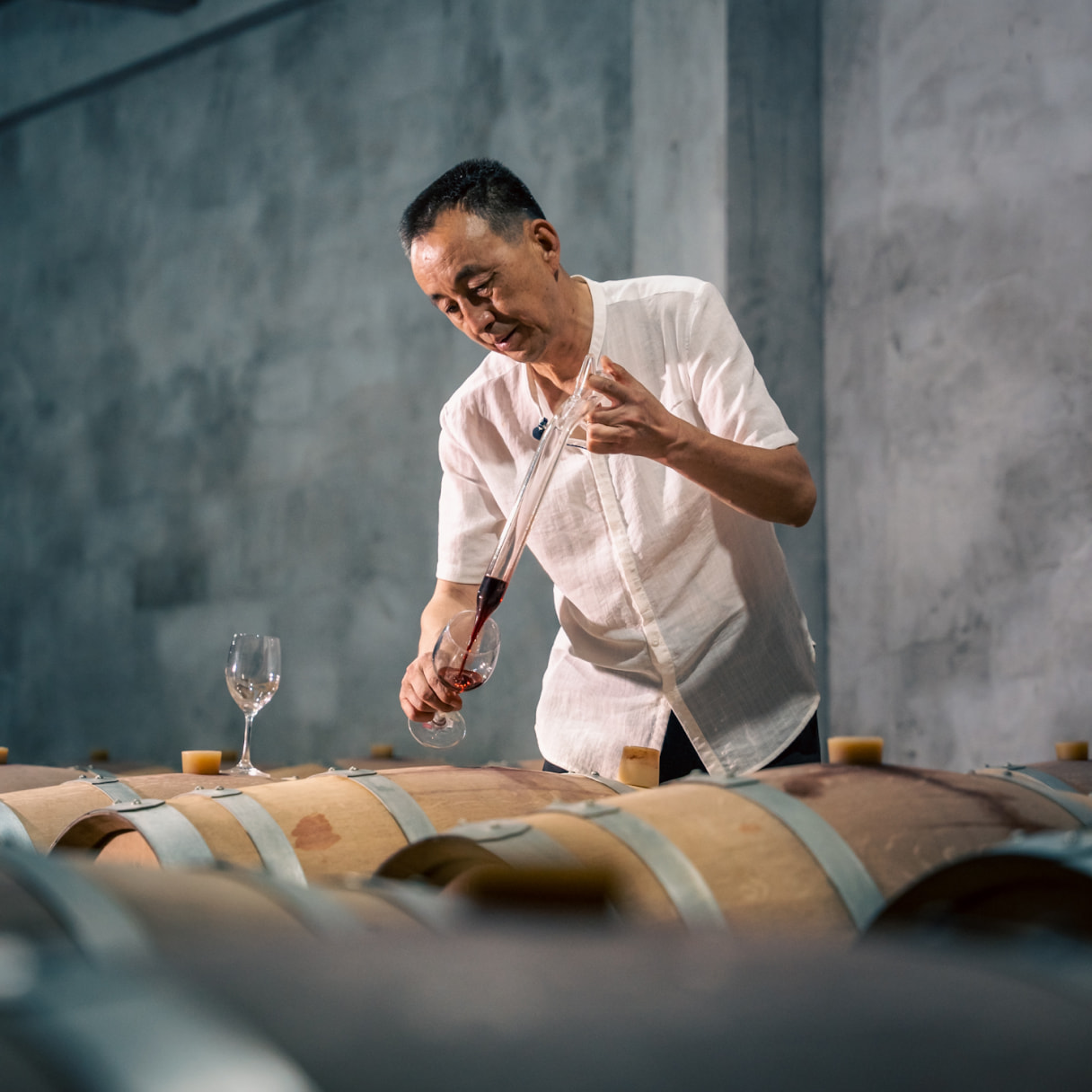
Since the Han Dynasty connected Shaanxi, Gansu, and Shanxi, grapes have grown across this land. Today, the region has become an important base for China's wine grape cultivation. From south to north, Gansu stretches from Tianshui to Wuwei, Zhangye, Jiayuguan, and Dunhuang, making the corridor one of China's most significant wine regions. In Shaanxi, the wine industry in areas like Lantian and Danfeng has flourished, producing many award-winning labels and becoming an exciting emerging region in the Northwest. With their long winemaking history, Shanxi regions such as Jinzhong and Linfen have become key locations for China's boutique wineries.
One of China's Premier Wine Regions
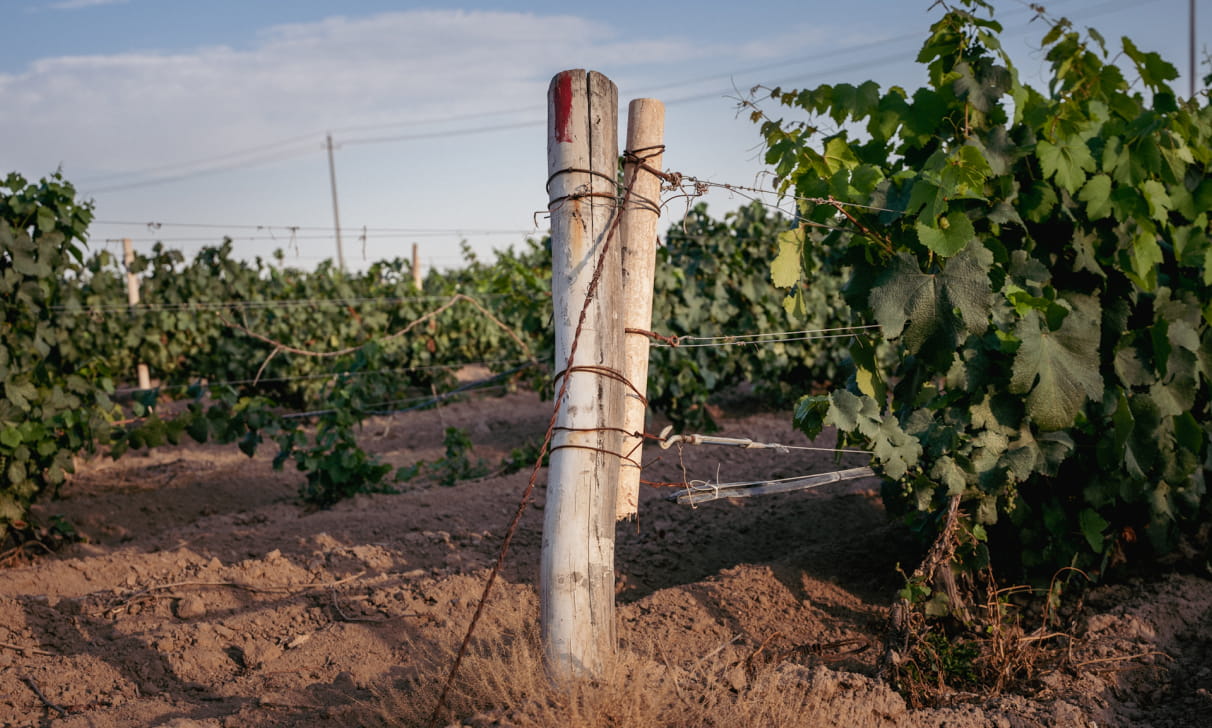
China's Wine City
The famous Tang Dynasty verse, "Grape wine in luminous cups aglow, the pipa's call urges us to go" refers to Liangzhou, now known as Wuwei. Ample sunshine and big day-night temperature swings give the grapes a rich and balanced aroma that requires little processing, making them excellent for winemaking.
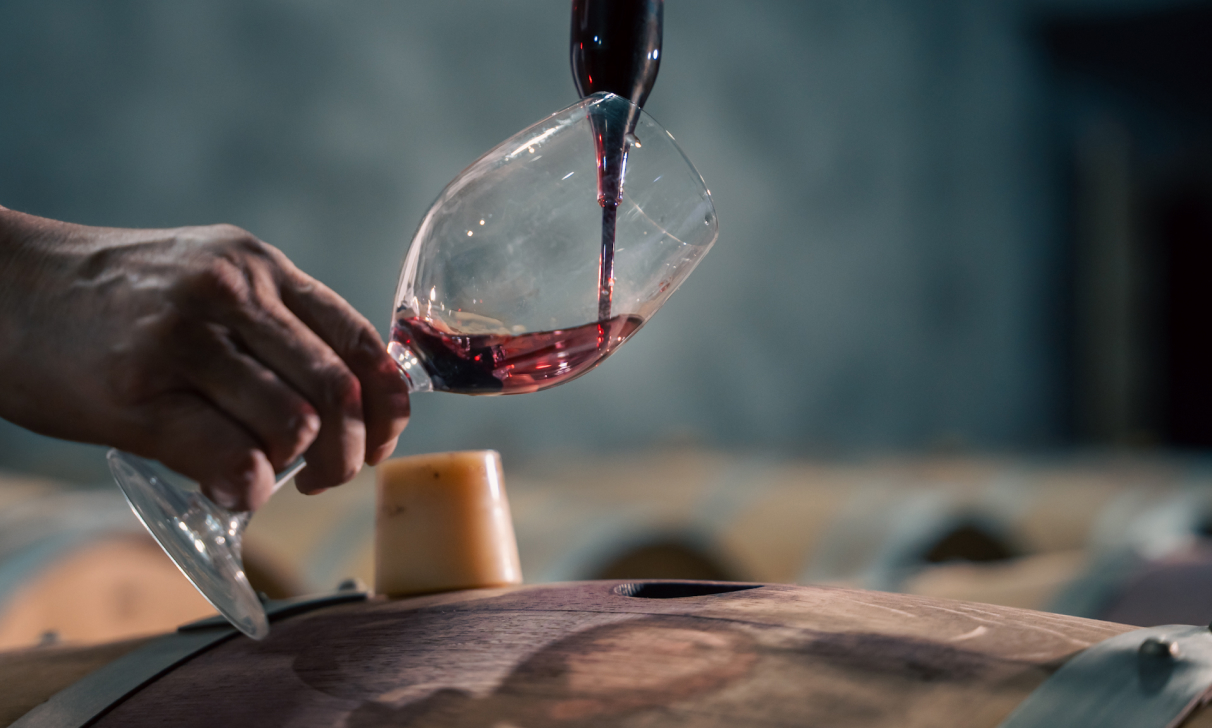
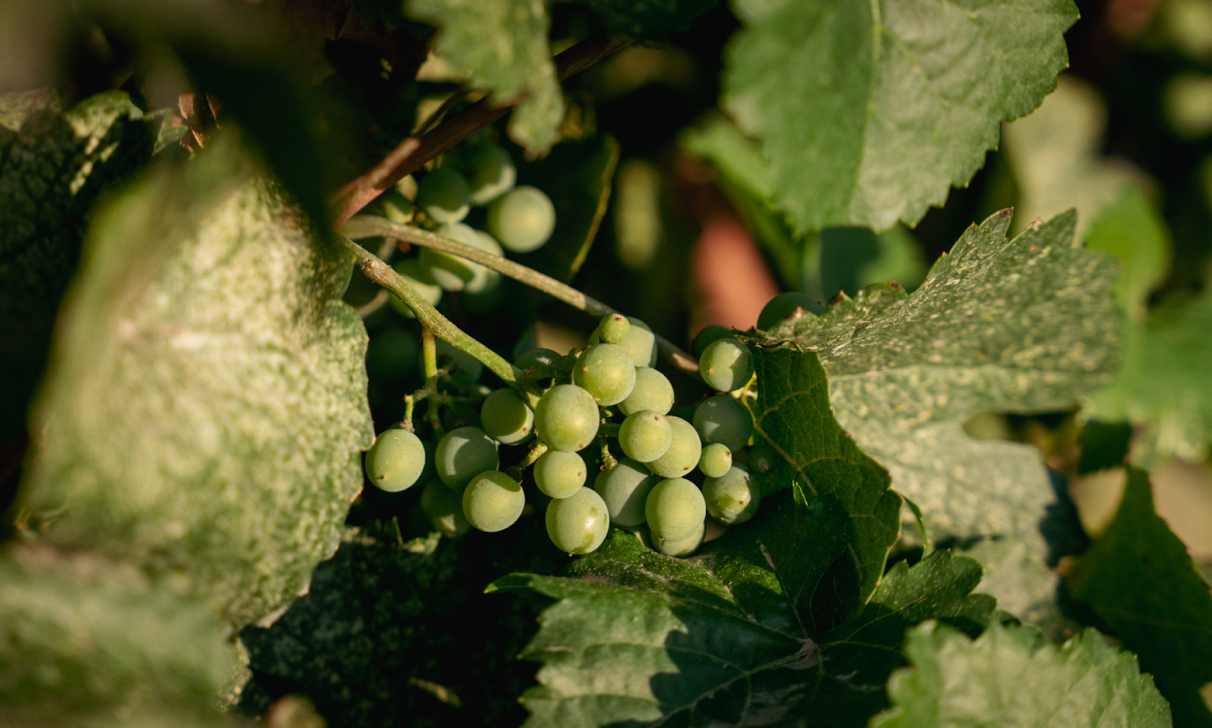
World-Renowned Silk Road Wines
In Gansu, Tianshui's cool growing season produces excellent Pinot Noir. Bordered by the Qilian Mountains and Heishui River, Zhangye has been nicknamed "the Jiangnan of the Great Wall", primarily cultivating Cabernet Sauvignon, Pinot Noir, and Cabernet Gernischt. Qilian Ice Red and Ice White, China's first ice wines, have won gold medals at international competitions. Meanwhile, Jiayuguan boasts Asia's largest underground wine cellar. In Shanxi, Grace Vineyard is a pioneer among China's boutique wineries, and its Chairman's Reserve and Deep Blue series has earned international acclaim. In Linfen, Xiangning , Chateau Rongzi crafts elegantly refined wines from the Loess Plateau's distinctive terroir.
A Tapestry of Acclaimed Brands
In recent years, many notable brands and wineries have emerged from this region's booming wine industry. Shaanxi's century-old Danfeng Winery is one of China's earliest wineries. Gansu is home to established wineries such as Mogao, Zixuan, Qilian, Guofeng, Huangtai, and Zizai, while Shanxi boasts Grace Vineyard, Amber Winery, and Chateau Rongzi. Grace Vineyard has played a key role in promoting Chinese wine internationally, while Amber has emerged as a rising star. Together, these brands and estates reflect the diversity of the Shaanxi-Gansu-Shanxi region and the rich future of Chinese wine.
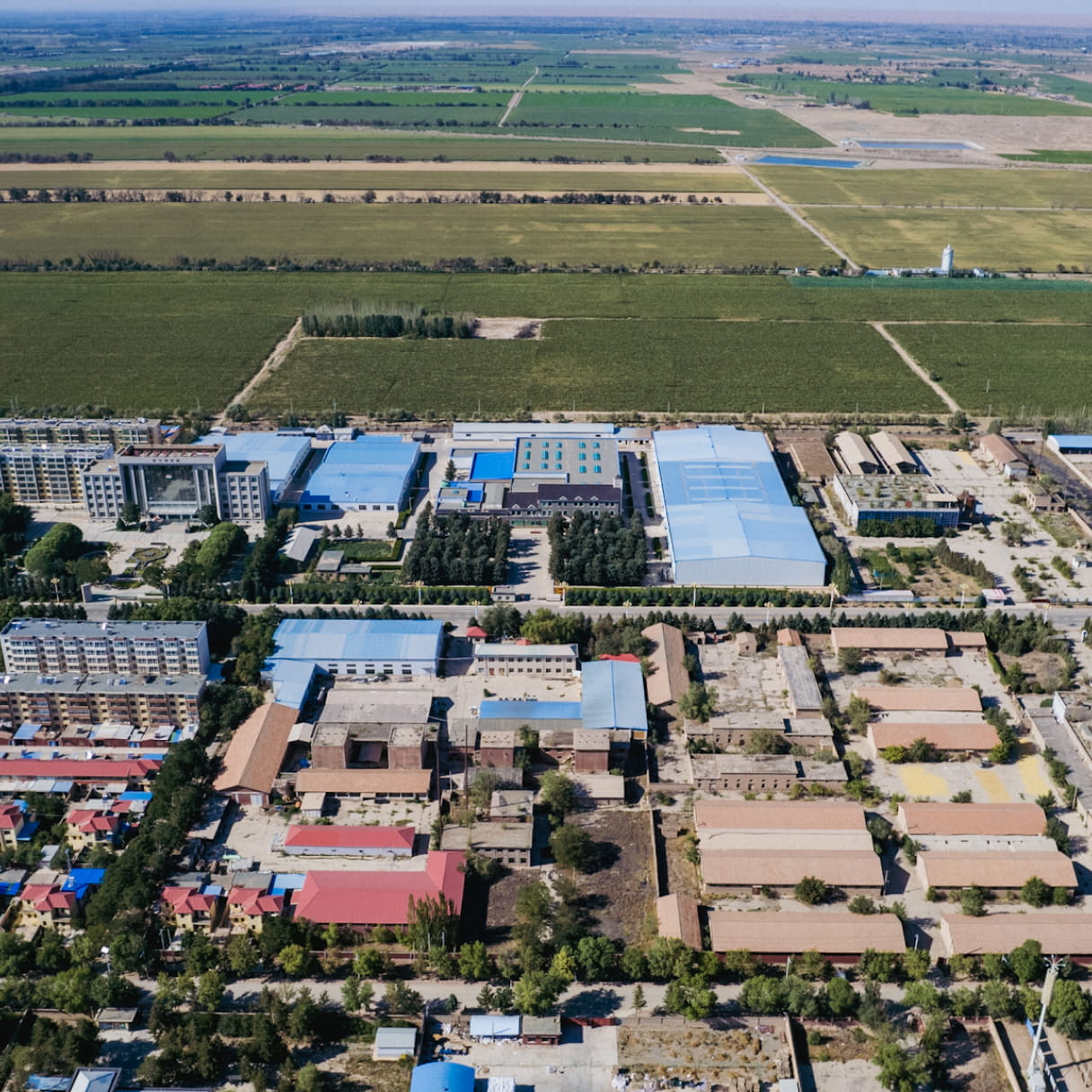
A Tapestry of Acclaimed Brands